


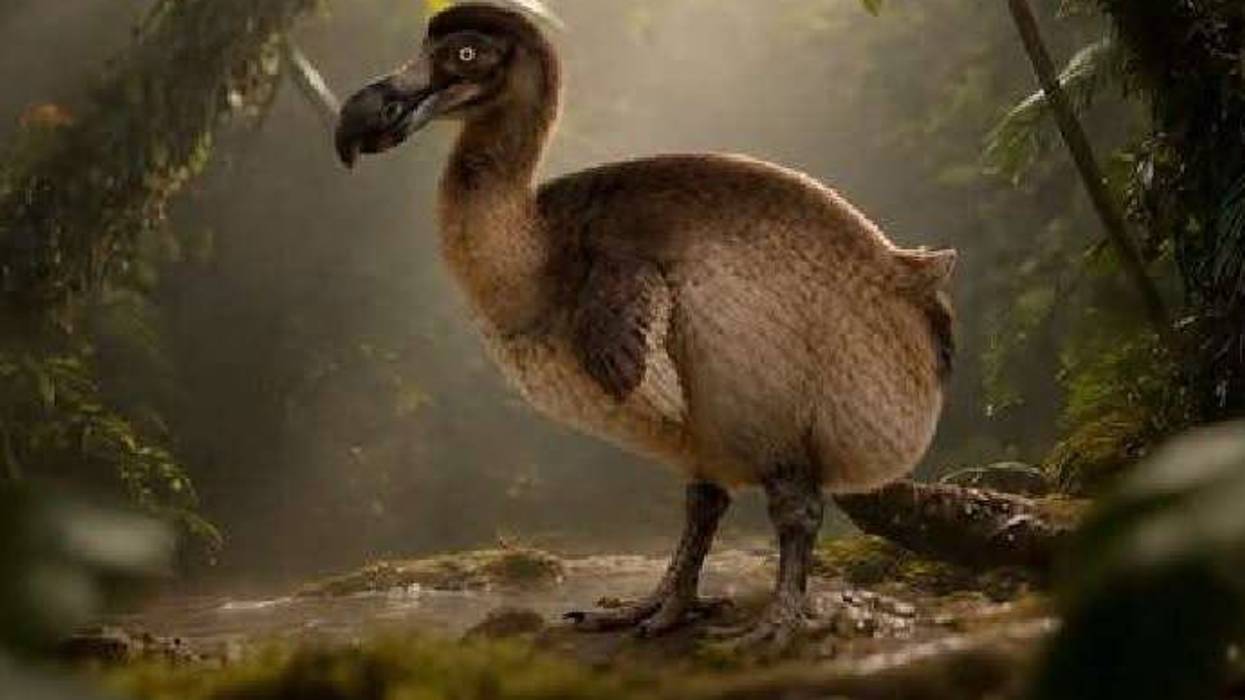

Dallas-based Colossal Biosciences is using a new AI platform called GenoMorph to help identify genetic targets for reviving the extinct dodo bird. The company announced the tool this month after it pinpointed roughly 2,300 DNA regions tied to the bird’s distinctive beak and facial structure.
According to The Dallas Morning News, GenoMorph is machine-learning software that analyzes genetic data from living birds, including chickens, quail, ducks and pigeons, during different stages of embryonic development. It combines that information with genomes and skull measurements from more than 70 bird species. The platform helps narrow which DNA regions might control traits such as beak size, thickness and shape when ancient genomic data is limited. Colossal has only one high-quality dodo genome available, compared with far more complete data for projects such as the woolly mammoth.
The dodo, a flightless bird native to Mauritius, went extinct in the 17th century after human settlement. Colossal’s broader work focuses on de-extinction of species including the dodo, woolly mammoth and dire wolf by editing DNA of living relatives, such as the Nicobar pigeon for the dodo.
The identified targets are candidates for laboratory testing rather than confirmed causes of specific traits. The company also reported related advances in avian gene-editing delivery using lipid nanoparticles and progress with Nicobar pigeon cells. No timeline for a living dodo has been announced.
LISTEN on the Audacy App
Tell your Smart Speaker to "PLAY 1080 KRLD"
Sign Up to receive our KRLD Insider Newsletter for more news
Follow us on Facebook | Twitter | Instagram | YouTube